THE 10:52 FROM
EDINBURGH TO LONDON
THE 10:52 FROM EDINBURGH TO LONDON BY SAADIYA CHAUDARY ALAM
As she travels by train from Edinburgh to London with her granddaughter, an elderly woman reflects on the journeys that have bookmarked the chapters of her life. Born into a Muslim family in Northern India Pre-Partition, hers is a story of great loss, upheaval, and second chances – all of which she has hidden from her family. Only her husband knows the truth. The judges described the story as ‘evocative’ and praised Chaudary Alam’s ‘excellent storytelling skills’.
You can read an extract from the story below.
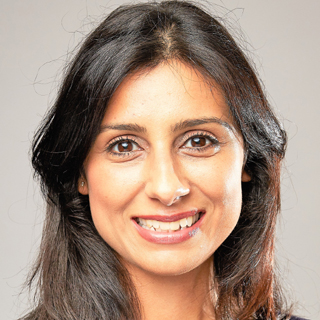
SAADIYA CHAUDARY ALAM
Saadiya is a human rights lawyer, specialising in the rights of women. She currently teaches at Birkbeck University whilst finishing her PhD. She has an enthusiasm for writing and has completed a UoL course in English literature and creative writing. Saadiya has written a picture book for children, and enjoys writing creative non-fiction.
The 10:52 from Edinburgh to London
When I was young, the world I knew was the village of Nawa Pind, in Northern India. I was born in 1925, in a Punjab that had not yet been torn in two. There was serenity in our village life. Women dressed in shalwar kameez, with their dupattas draped over their head and then casually tossed over one shoulder. The men wore long shirts and baggy trousers. Yellow mustard fields formed the village boundary alongside bright green fields of sugarcane which grew almost as tall as the farmers who cut them down. This was where I roamed with the other girls in the village when I was able to escape from the chores at home and the harsh hand of my stepmother.
“Hafsa! Are you deaf? The baby is crying! Bring the milk. Now!”
I would scurry around afraid of being hit again for tardiness or spilling the milk. Keeping my head bent low and not meeting my stepmother’s eyes, I tried not to offend her further.
“You’re late with dinner. Stupid, useless girl. Your father will be home soon and the children are hungry”.
She meant her children, and that didn’t include me. My own mother had died when I was little. My brother died soon after, and Abba quickly remarried. Whenever my stepmother was occupied, I would sneak off to the fields just behind the house.
“What happened Hafsa? Did Amma beat you again?” Sakina would ask, as I sat down adjusting my dupatta, relieved to be completely hidden among the tall grass.
Other shortlisted stories:

The Brunel Prize Winner
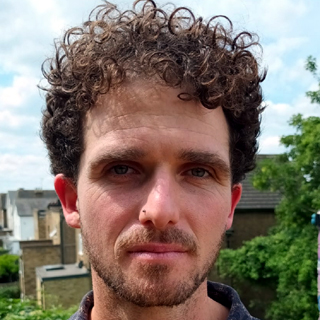
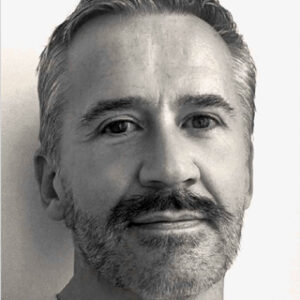
Rowan is a poet and tree surgeon living in East London. His work has recently been featured in 14 Magazine and Acumen. His poem ‘Wild Ghazal’ won second prize in the Shelley Memorial Project’s 2025 competition. He is currently working on a new pamphlet of compromised, radical ecopoems.